Shrubs & landscape care
When Should You Trim Bushes in Kansas City?
Identify the shrub before choosing the trimming date. Spring-flowering shrubs are generally pruned after flowering, while many shrubs that bloom on new growth can be pruned before spring growth begins. Evergreens and heavily overgrown plants need species-specific decisions. A fall cleanup date is not automatically the right pruning date. MU Extension's shrub-pruning guide explains these differences.
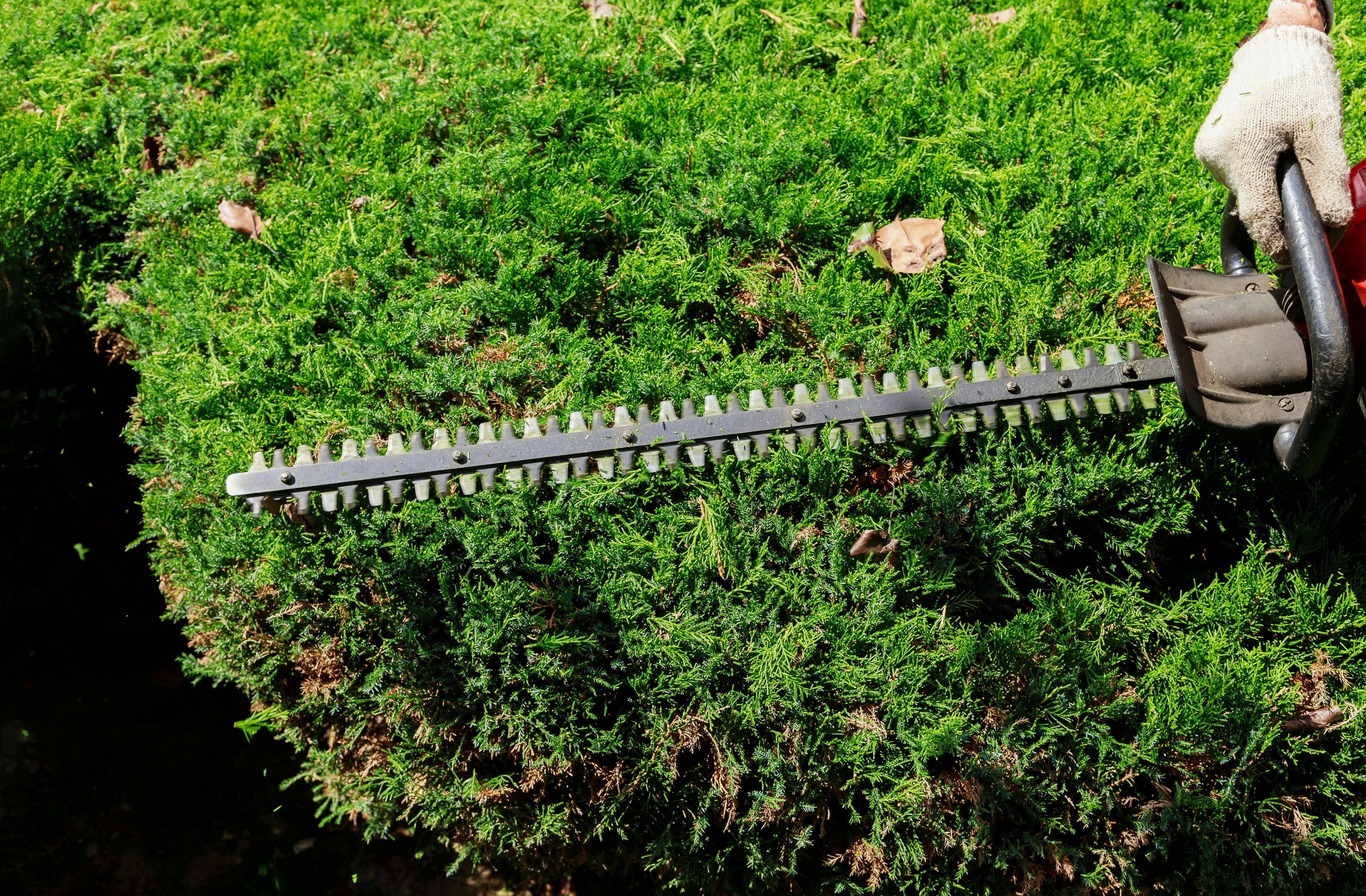
Start with what you want to accomplish. Clearing a walkway, preserving spring flowers and reducing a hedge's height are different goals. They may call for different work.
First ask: what plant is this?
If you know the shrub's name, include it when requesting service. If you do not, take a clear picture of the whole plant, then closer views of its leaves, stems and flowers if present. Keep any nursery tag or planting record you have.
Do not rely on “the green bushes by the house.” Several species can look similar from a distance while responding very differently to pruning.
Also record when you last saw it flower. That is useful context, especially if it stopped flowering after a previous cut. It is a clue to investigate, not proof that pruning caused the problem.
Use flowering habit to narrow the timing
| Plant situation | General approach |
|---|---|
| Spring bloomers such as lilac or forsythia | Plan routine pruning after the flowers finish |
| A shrub known to flower on current-season growth | Consider pruning before new spring growth, following species guidance |
| An unknown flowering shrub | Identify it before choosing a cutback date |
| Juniper or arborvitae | Assess the live foliage and bare interior before reducing size |
| A formal hedge | Set a maintenance plan based on species, growth and the desired outline |
Spring-flowering shrubs can carry the coming season's flower buds on older growth. Removing that growth at the wrong time can remove the flowers too. MU Extension also notes that junipers and arborvitae have limited ability to recover from cuts into bare interior wood. See its plant-specific pruning guidance.
That is why a fast pass with hedge trimmers is not an appropriate answer for every shrub along the front of a house.
Is trimming the same as pruning?
People often use the terms interchangeably. In a service conversation, it helps to say whether you want surface shaping or selective removal of particular branches.
Shearing can maintain a formal hedge. Selective pruning can address individual branches and preserve a plant's natural form. University of Minnesota Extension advises reserving tight geometric shaping for plants with a specific reason to be maintained that way. See its pruning guidance.
Describe the result you need in practical terms:
“I want the sidewalk clear and the front window less crowded, but I would like the shrubs to keep a natural shape.”
That is more useful than requesting that every plant lose half its height. It lets the proposed work account for each plant and the surrounding space.
Can an overgrown shrub simply be cut in half?
Do not assume so. Recovery depends on the species, health, existing form and where living growth remains. Some plants can tolerate substantial renewal; others may be left with a bare outline that does not fill back in as expected.
Before approving a large reduction, ask:
- Is the target size realistic for this plant?
- Can it be achieved in one visit, or does it need staged work?
- Will the cut expose a bare interior?
- What will it likely look like immediately afterward?
- Is the plant fundamentally too large for the space?
The last question matters. Repeatedly forcing a large shrub into a small opening may be a continuing maintenance problem. An assessment should compare reasonable pruning with other options rather than promising every overgrown plant can be restored in one afternoon.
Should you trim bushes in fall?
Avoid treating fall cleanup as a blanket instruction to cut everything back. MU Extension cautions against major pruning in late summer and early fall because it can encourage vulnerable late growth. Spring-flowering plants also have their own timing considerations. Its pruning guide provides the exceptions and plant-specific detail.
If a branch is broken or obstructing an important access point, ask for an assessment of that issue. That is different from scheduling a major size reduction for all the shrubs.
Coordinate any leaf work separately using our fall leaf-cleanup guide.
What should a shrub-trimming quote include?
List the plants or areas to be addressed, the desired result and any access concerns. Mention windows, paths, fixtures or other obstacles nearby. Ask how cleanup and debris removal will be handled.
For a commercial entrance, identify the areas where clear access and visibility matter most. For a home, explain whether your priority is a walkway, a window, the overall outline or preserving flowers. Those details help define the work without demanding a particular cut before the plants have been assessed.
Keep larger tree work separate. Branches near utility lines require the appropriate utility or qualified specialist; do not attempt that work yourself. University extension guidance addresses pruning around people, property and utilities.
Plan the work around the plants you have
Metro Wide offers bush and shrub trimming in Kansas City for residential and commercial properties. The plants, access and desired result determine the proposed scope. Confirm debris handling in the quote.
Request a shrub-trimming quote or call 816-830-6107. Include your city or ZIP, approximate plant sizes and what you want to change. If mowing is also on the list, mention it in the same request and use our mowing-frequency guide to think through the schedule.