
Metro Wide / Fertilization
Residential lawn fertilization in Kansas City
Give your lawn care that starts with its actual condition. Metro Wide Lawn Care offers residential fertilization in Kansas City, with attention to your lawn's recent care, growing conditions, and the results you want to work toward.
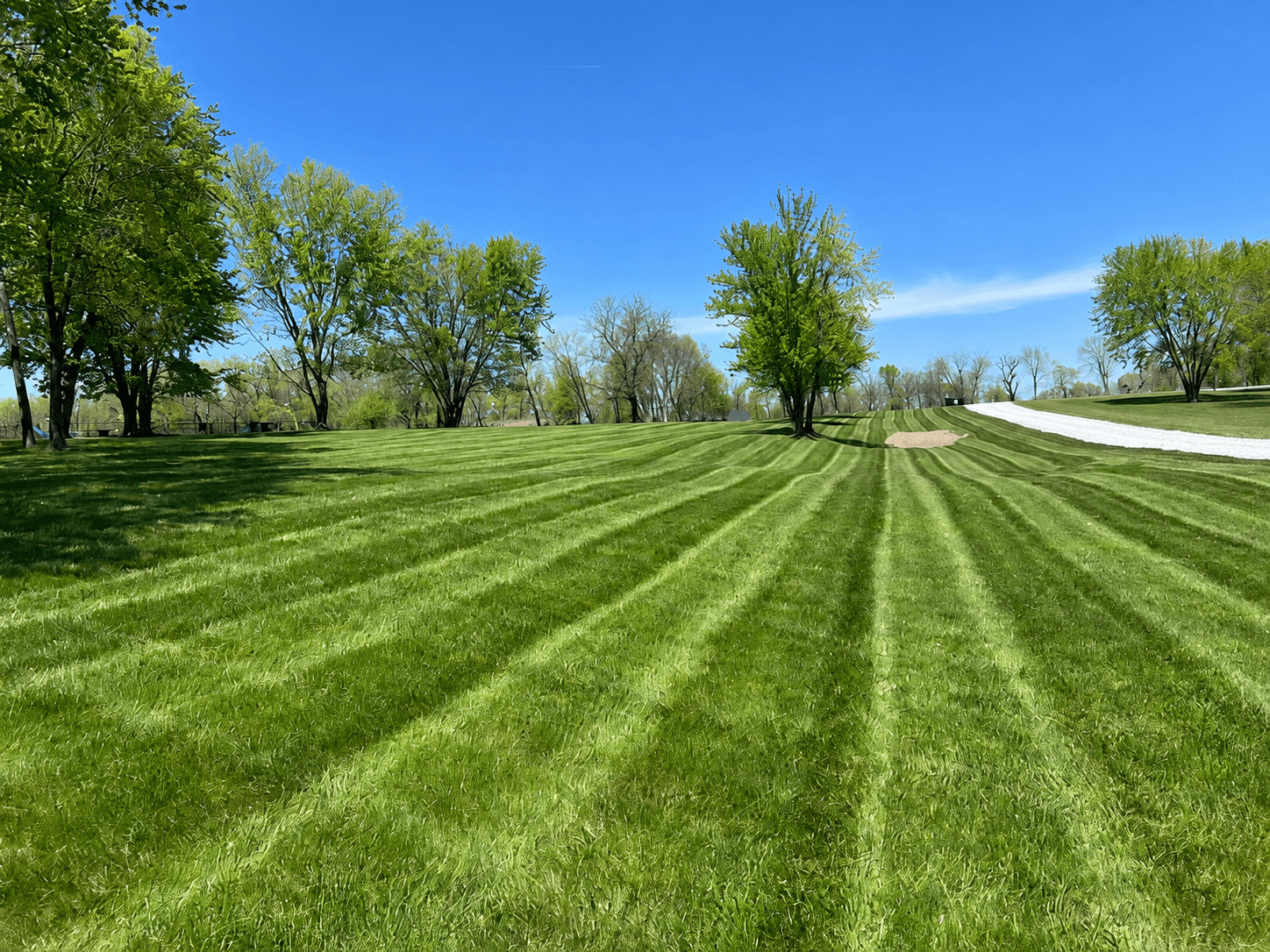
Consider the whole lawn
Start with what your grass needs.
For homeowners looking to discuss lawn nutrition. A fertilization inquiry is a useful starting point when the lawn is not growing as expected.
Your lawn today
Describe thin areas, uneven growth and the condition you want to improve.
A considered scope
Discuss fertilization alongside the care your lawn already receives. Application details belong in your property’s quote.
Care that works together
Share your mowing and watering arrangements to give a fuller picture of the property.
Know what you’re feeding
Good lawn care starts below the surface.
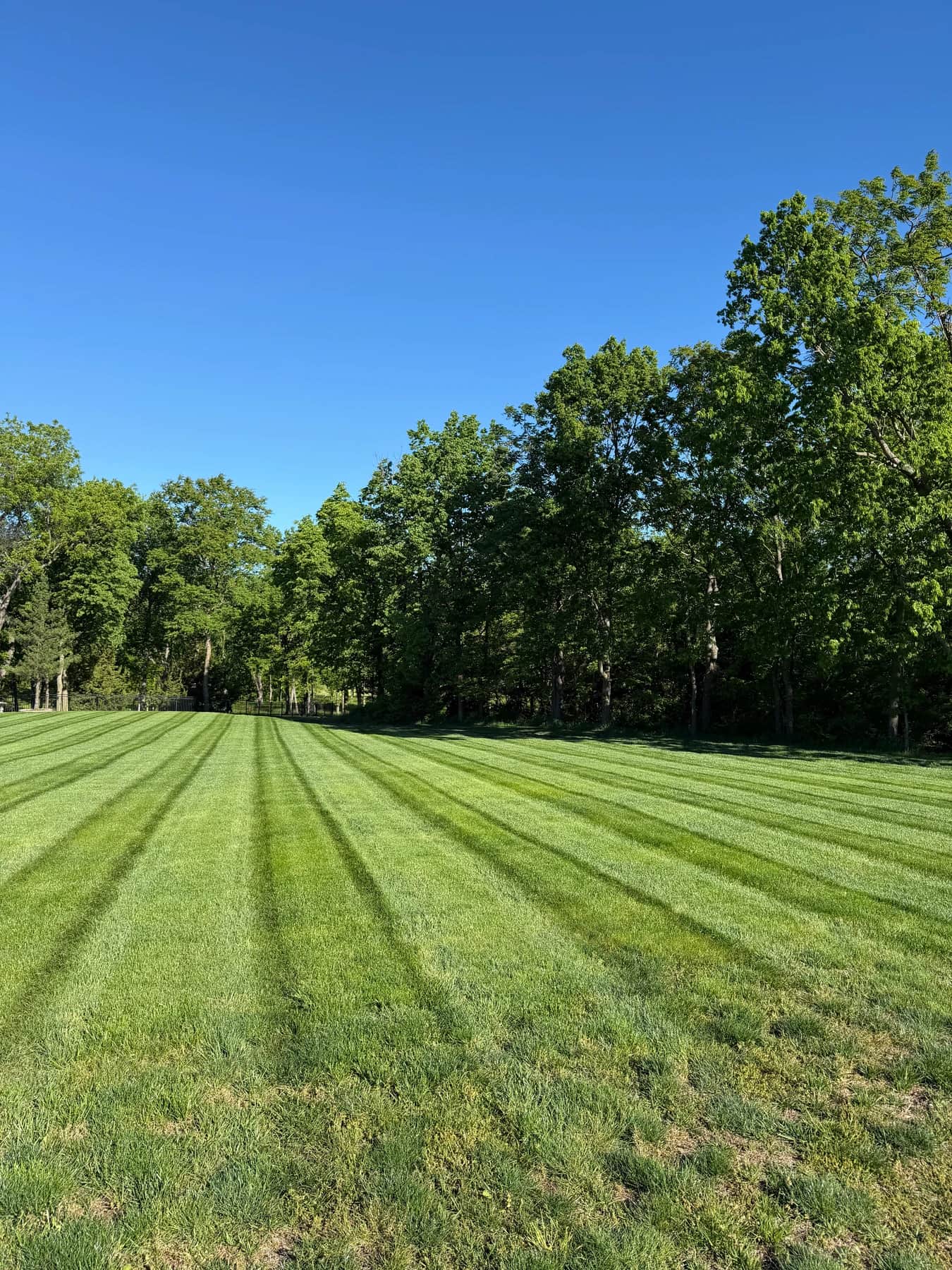
Thin patches and uneven color tell part of the story. Your grass type, soil test results and recent applications help fill in the rest. Share what you know about your lawn so the proposed fertilizer, timing and any additional treatments can be clearly set out in your quote.
From inquiry to a plan
Great grounds start here.
Tell us what you have in mind for your property. We’ll discuss the details and the next steps for a quote.
Your next steps
From the first conversation.
Tell us about the property.
Choose a service and share your location, property type and the details that matter to you.
Talk through the work.
Discuss your needs, access and availability so the proposed scope fits the property.
Review your quote.
Confirm the work and arrangements before deciding how to move forward.
A few details, answered
Questions about fertilization.
When should I fertilize my lawn?
For tall fescue and Kentucky bluegrass lawns in Kansas City, September is the most important time to fertilize. Warm-season grasses such as zoysia are fed during active growth in late spring and summer. Grass type and soil test results help guide the right plan for your lawn.
How often should I fertilize my lawn?
The number of applications depends on grass type, soil needs and the fertilizer used. A tall fescue lawn and a zoysia lawn need different seasonal schedules. Follow the product’s application rate and interval, and account for earlier treatments before adding more.
Should I water after fertilizing my lawn?
Most granular fertilizers need watering to dissolve and move nutrients into the soil. Follow the specific product’s instructions for timing and amount, especially if it also contains weed control. Avoid applying before heavy rain that could wash fertilizer off the lawn.
Can you over-fertilize your lawn?
Yes. Too much fertilizer can burn grass and roots, encourage excessive growth and send nutrients into runoff. A soil test and a record of previous applications help avoid unnecessary feeding. Applying more than the label recommends will not make a lawn healthier.
Local grounds care
Grounds service across the Kansas City area
Kansas City-area communities in Missouri & Kansas.
Share your city or ZIP to discuss fertilization availability for your property.

Direct to Metro Wide / Powered by Jobber
Residential Grounds Request
Tell us about your property and the services you need. Your request goes directly to Metro Wide through Jobber.
This form loads automatically and connects to Jobber and its providers. Their cookies and privacy terms apply. You can use it with this website’s optional analytics turned off.