Government & Municipal
Government and municipal shrub trimming in Kansas City
Public-property plantings do more than fill a bed. They frame entrances, define paths, provide screening, and shape the way a place is used. Metro Wide Lawn Care offers bush and shrub trimming for government and municipal grounds in the Kansas City area.
Start with what the planting is meant to do
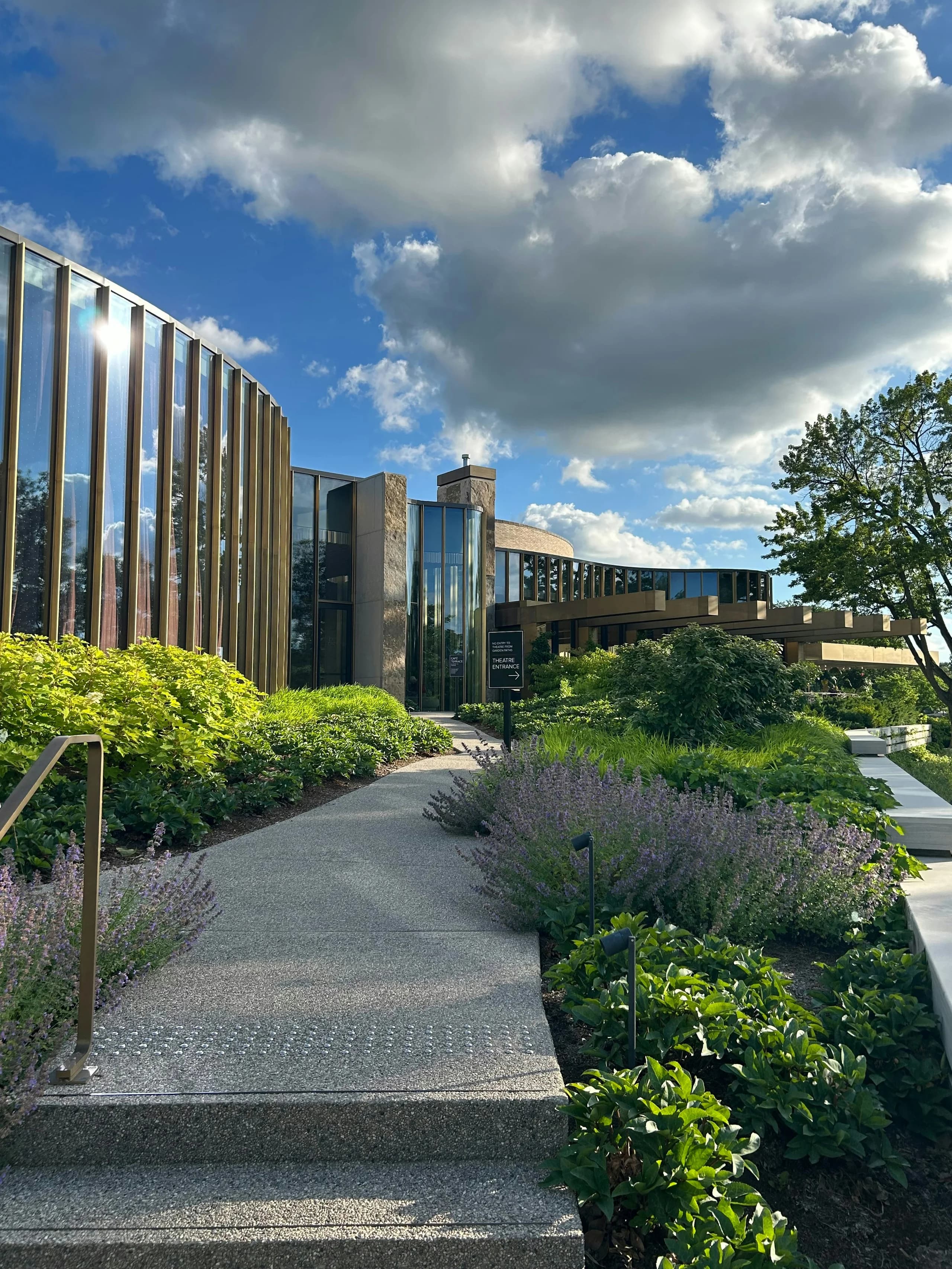
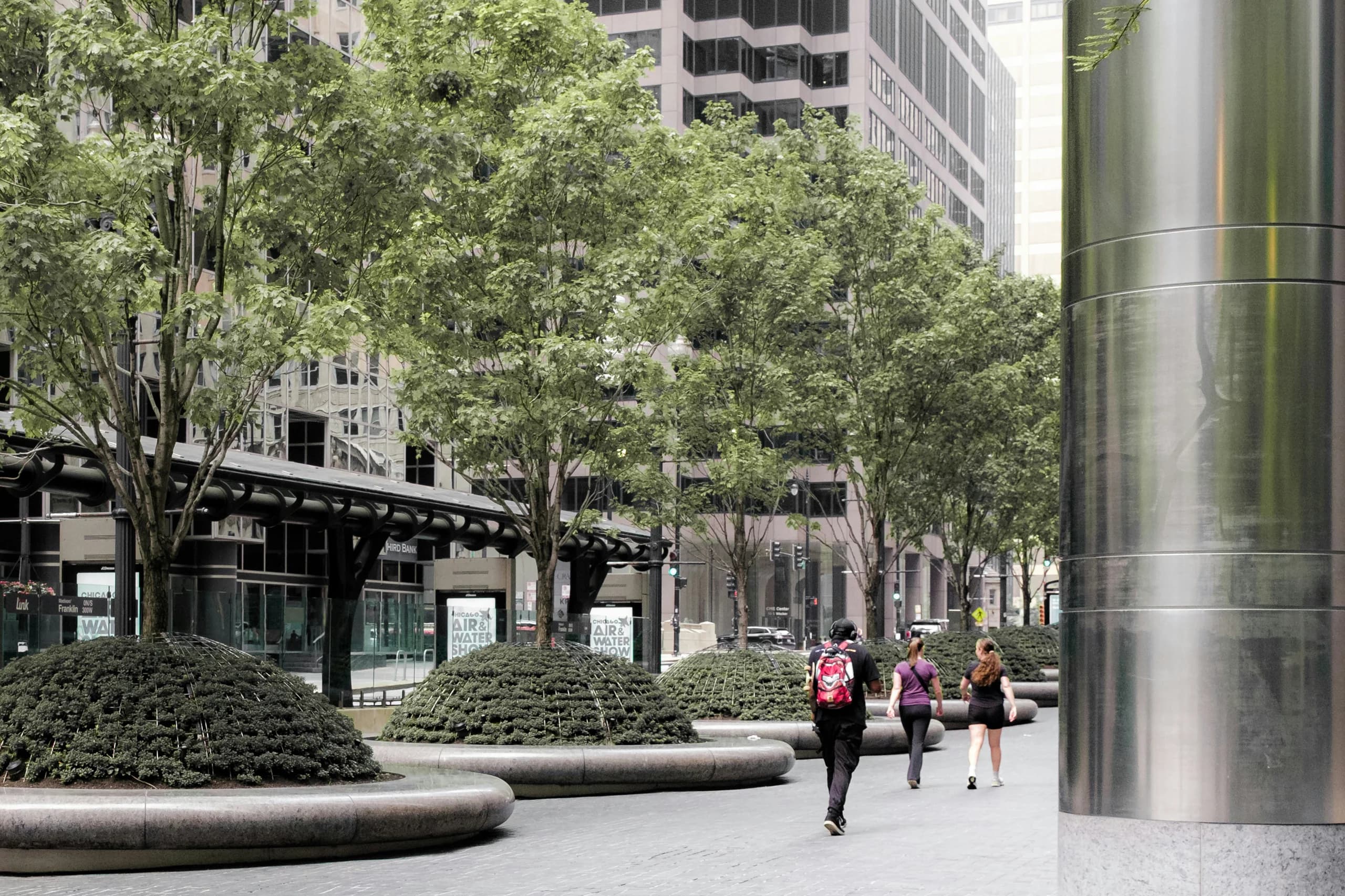
Before reducing a hedge or clearing growth near a path, identify the purpose of the planting. A formal entrance bed, a screening hedge, and a natural-looking shrub border can call for different finishes.
Describe what needs attention and what the agency wants to preserve. That might include a clear view of a sign, space beside a walkway, a defined hedge line, or a planting's natural shape. A useful scope names the outcome for each area rather than calling for every shrub to receive the same cut.
| Planting purpose | What the request should make clear |
|---|---|
| Entrance or sign framing | The feature to keep visible and the desired finished outline. |
| Path or building clearance | The specific area needing attention and the relevant fixtures or surfaces. |
| Screening | What should remain screened and the degree of reduction to review. |
| Natural or flowering display | Plants whose form or flowering should inform the timing and method. |
Preserve the intent of the landscape
Pruning choices should reflect the plant type and condition. Some shrubs can be shaped into a formal line; others are better suited to selective pruning that maintains a looser form. Timing also matters for flowering plants.
If the agency has planting records, maintenance notes, or a landscape plan, include the relevant information. Identify recent installations, protected or excluded areas, and any planting that should not be cut. Existing records can prevent a new provider from mistaking deliberate growth for neglected maintenance.
Where shrubs have substantially outgrown their space, explain the desired result. A major reduction may need a different approach from recurring trimming. The condition and species should be reviewed before promising a finished size in a single visit.
Coordinate the work area and the cleanup
Shrubs beside a busy public path require different access planning from planting behind a maintenance building. Note facility hours, scheduled activities, public circulation, and the staff contact who can coordinate the work area.
The scope should also identify collection and removal of cut material. Include narrow routes, fenced areas, and any restrictions affecting how debris leaves the site. Routine shrub trimming should not be confused with large-scale vegetation clearance, mowing of natural areas, or tree removal.
If some beds are maintained by agency staff or volunteers, show that division clearly. The proposed work should respect the areas assigned to other groups and identify any shared boundaries that need discussion.
Start a conversation
Make the requested finish easy to review
Provide a planting-area list, approximate quantities, desired outcome, and the timing you want considered. Photographs can help introduce formal shapes, overgrown sections, or access concerns when images are shared through the appropriate channel.
Your service brief
Have these details ready.
Agency & contact
Your department and the person coordinating the review.
Locations & timing
Public site locations, requested service, and timing.
Solicitation details
The public reference and response process, if applicable.
A few details, answered
Questions about municipal shrub trimming
Can we identify plants or areas that must remain untouched?
Yes. Mark exclusions clearly and include the responsible agency contact. Planting records, maps, or labeled photographs can help distinguish the proposed work from natural areas, new installations, or areas managed by others.
Can trimming improve visibility around a sign or path?
Describe the visibility or clearance concern and the plants involved. The appropriate work depends on the planting and site. Exact clearance requirements should come from the agency's scope rather than being assumed from a general service description.
Does the service include removing overgrown shrubs?
Shrub removal is separate from routine trimming. Explain whether you want to maintain a shape, reduce an overgrown planting, or change the area entirely so the available work and suitable approach can be discussed.
Can one scope cover several public properties?
Yes. List the planting areas, desired finish, and access considerations by site. That keeps different landscape goals visible and helps avoid applying one generic trimming instruction to every property.
Local grounds care
Grounds service across the Kansas City area
Metro Wide's service area includes Kansas City, Missouri, and the Missouri and Kansas communities listed on our coverage page. Explore local coverage, then share your property address and the government or municipal services you need so the work and availability can be reviewed together.
Direct to Metro Wide / Powered by Jobber
Government & Municipal Request
Tell us about your property and the services you need. Your request goes directly to Metro Wide through Jobber.
This form loads automatically and connects to Jobber and its providers. Their cookies and privacy terms apply. You can use it with this website’s optional analytics turned off.