Seasonal planning
Kansas City Lawn Care Calendar: What to Do Each Season
For an established tall fescue or Kentucky bluegrass lawn in Kansas City, plan around spring mowing, summer water management, late-summer assessment and fall recovery. Fall is an important window for feeding and repairing cool-season grass. Actual work dates should follow the lawn's condition and the weather, not a reminder on your phone.

This calendar is for established cool-season lawns. Zoysia and other warm-season grasses need a different schedule. Newly seeded or sodded areas also need their own care instructions.
Start with three facts about your yard
Before buying seed or booking a treatment, answer three questions:
- What grass do you have? If you do not know, identify it first. One property's grass can also differ between the front and back yards.
- What happened last season? Mark recurring bare spots, standing water, heavy leaf cover and areas that were difficult to mow.
- What can you maintain? A plan that requires watering while you are away for two weeks needs adjusting before work begins.
A simple phone album helps. Take wide shots from the same positions as the seasons change, then add close-ups of trouble spots. Date the photos and note recent rain, mowing and applications. That gives you a useful record instead of trying to remember whether a patch appeared in May or August.
Your season-by-season calendar
The biological timing below follows University of Missouri Extension's cool-season lawn calendar. Treat the months as planning windows, with your grass type and current conditions deciding the work.
| Period | Lawn-care priority | Useful preparation |
|---|---|---|
| January and February | Review last year's lawn problems | Find old invoices, treatment records and photos; decide what to handle yourself |
| March and April | Resume mowing as growth requires; review soil fertility and spring care | Confirm grass type, measure lawn area and discuss recurring service |
| May and June | Keep up with growth and inspect irrigation | Note which areas grow fastest and which sprinklers miss their target |
| July and August | Manage heat and moisture stress; assess fall repairs | Record recurring thin spots; arrange any needed assessment before buying seed |
| September | Prioritize cool-season feeding and suitable repair work | Coordinate mowing, watering and any planned seeding so the schedules work together |
| October and November | Continue mowing while grass grows; manage leaf buildup | Confirm cleanup areas and irrigation winterization arrangements |
| December | Review the season and outstanding property work | Keep your notes for next year's plan; discuss winter services separately |
Spring: agree on the mowing plan before growth gets ahead of you
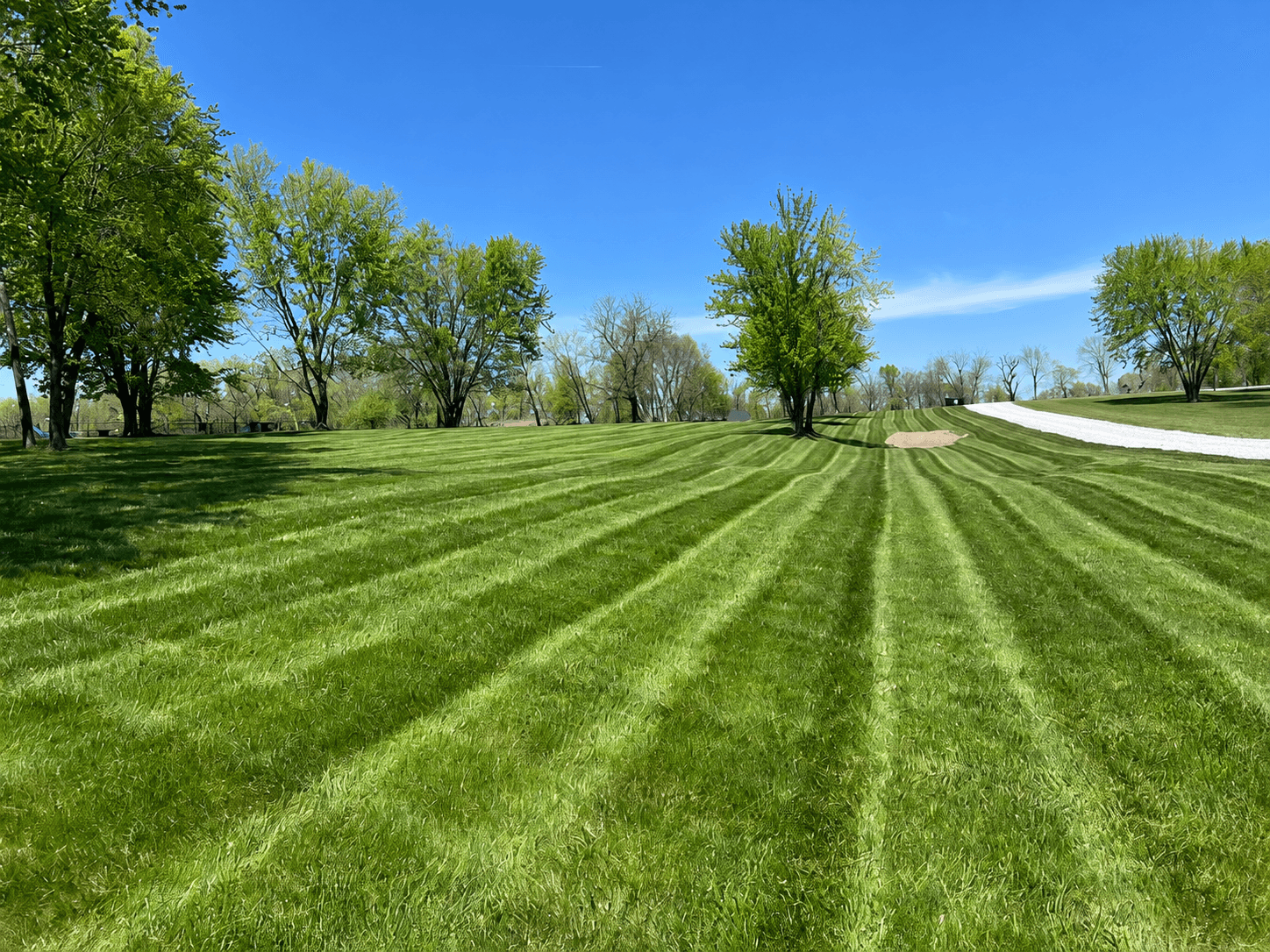
The most useful spring question is how mowing will keep pace with growth. A fixed visit schedule needs a plan for rain delays and unusually fast growth. Cutting extra short to make up for a missed visit puts more stress on the grass. MU Extension recommends a taller cut for common Missouri cool-season lawns. Read its explanation of why mowing too short causes problems.
If you hire help, discuss gates, obstacles, slopes and the lawn areas included. Ask what happens when weather changes the schedule. If you do the work yourself, check your mower's condition and make room in your week before the first busy stretch arrives.
Use our mowing-frequency guide to choose a schedule based on growth.
Summer: investigate the pattern before changing the whole plan
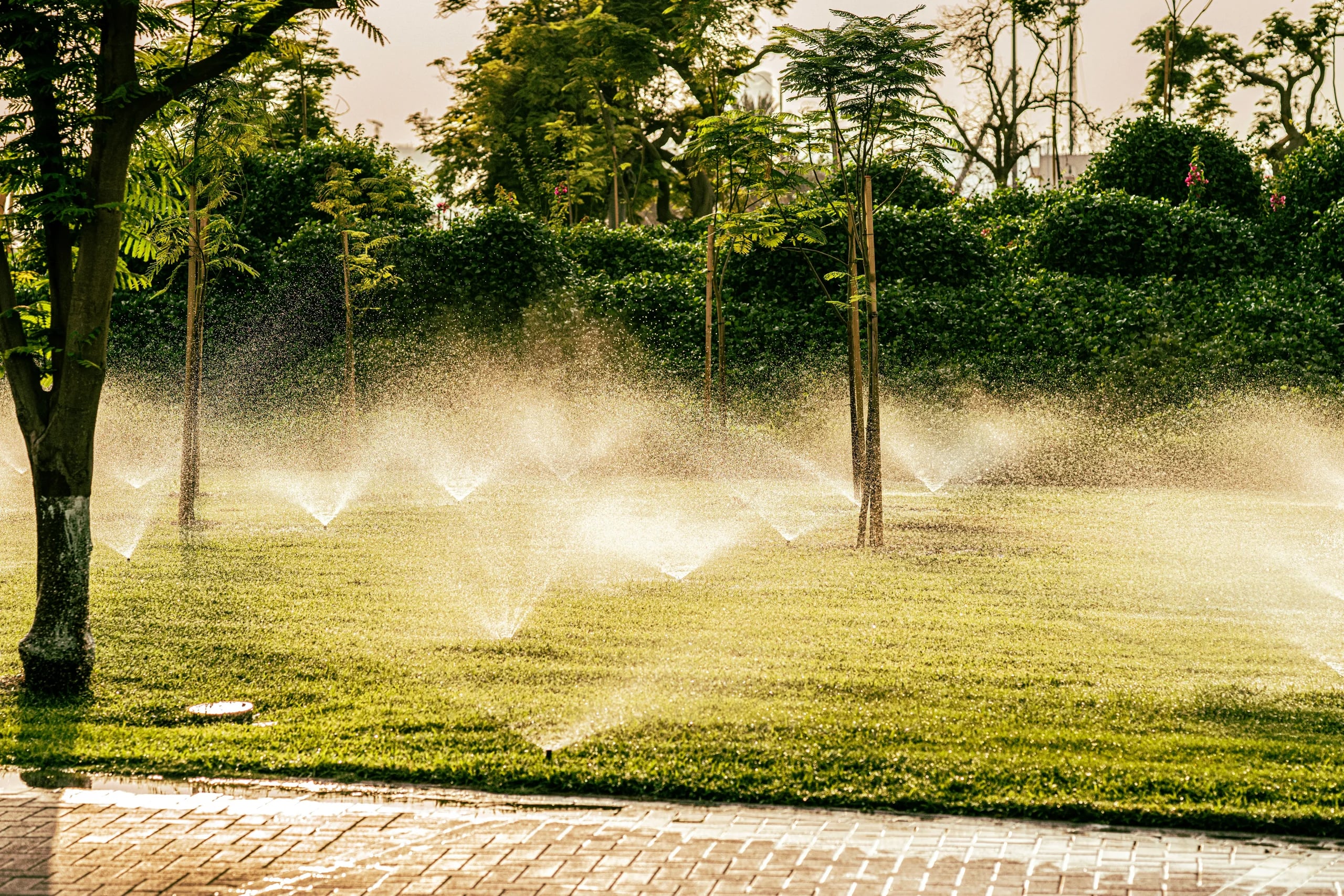
A dry strip beside the driveway and an evenly stressed lawn are different situations. Before increasing every sprinkler zone, watch a complete watering cycle. Look for water landing on pavement, a head that does not rise, or a planting that blocks the spray. These are among the problems covered in the EPA's sprinkler inspection guidance.
Write down where the issue occurs and when it started. That makes an irrigation service inquiry more useful than “the lawn looks bad.” Our watering guide explains how to measure output before changing runtime.
Late summer and fall: decide what actually needs repairing
Do not buy seed solely because the lawn looks thin. Shade, traffic, mowing practices and site conditions may need attention first. University of Minnesota Extension also recommends identifying the cause of poor growth before starting a lawn renovation.
For any proposed repair, ask:
- What caused the problem, and what will change?
- Is aeration, overseeding or another approach appropriate?
- Who will water afterward?
- How will mowing and existing treatments be coordinated?
- What happens if the weather delays the work?
Aeration and overseeding are separate tasks. Discuss their need and availability with a suitable provider rather than assuming they are part of a mowing or fertilizer visit. For feeding decisions, see when to fertilize a Kansas City lawn.
Finish fall with a property-specific cleanup list
List the lawn, fence lines, beds and paved areas separately. State whether you want leaves removed from all of them or only selected areas. Our leaf-cleanup guide helps you choose the timing and scope.
Shrubs need a separate decision. A fall cleanup appointment is not a reason to cut every plant back. Check the plant before choosing a pruning date using our bush-trimming guide.
If holiday decorating is on your list, you can also ask about holiday lighting. Confirm the display and service details in the quote.
Put the work on one manageable list
Choose the tasks you will do, the work you want help with, and the details still needing an answer. Metro Wide offers lawn and seasonal property services for homes and businesses in its Kansas City service area.
Request a quote or call 816-830-6107. Include your city or ZIP, property type and the work you want to discuss.