
Olathe, Kansas
Lawn care, irrigation, and grounds maintenance in Olathe, KS
Help the lawn care and watering work together. Metro Wide Lawn Care serves Olathe homes, businesses and public grounds with mowing, fertilization, irrigation and seasonal property services. Tell us which areas need attention, how watering is managed and what you've observed, so the conversation starts with your property rather than a preset routine.
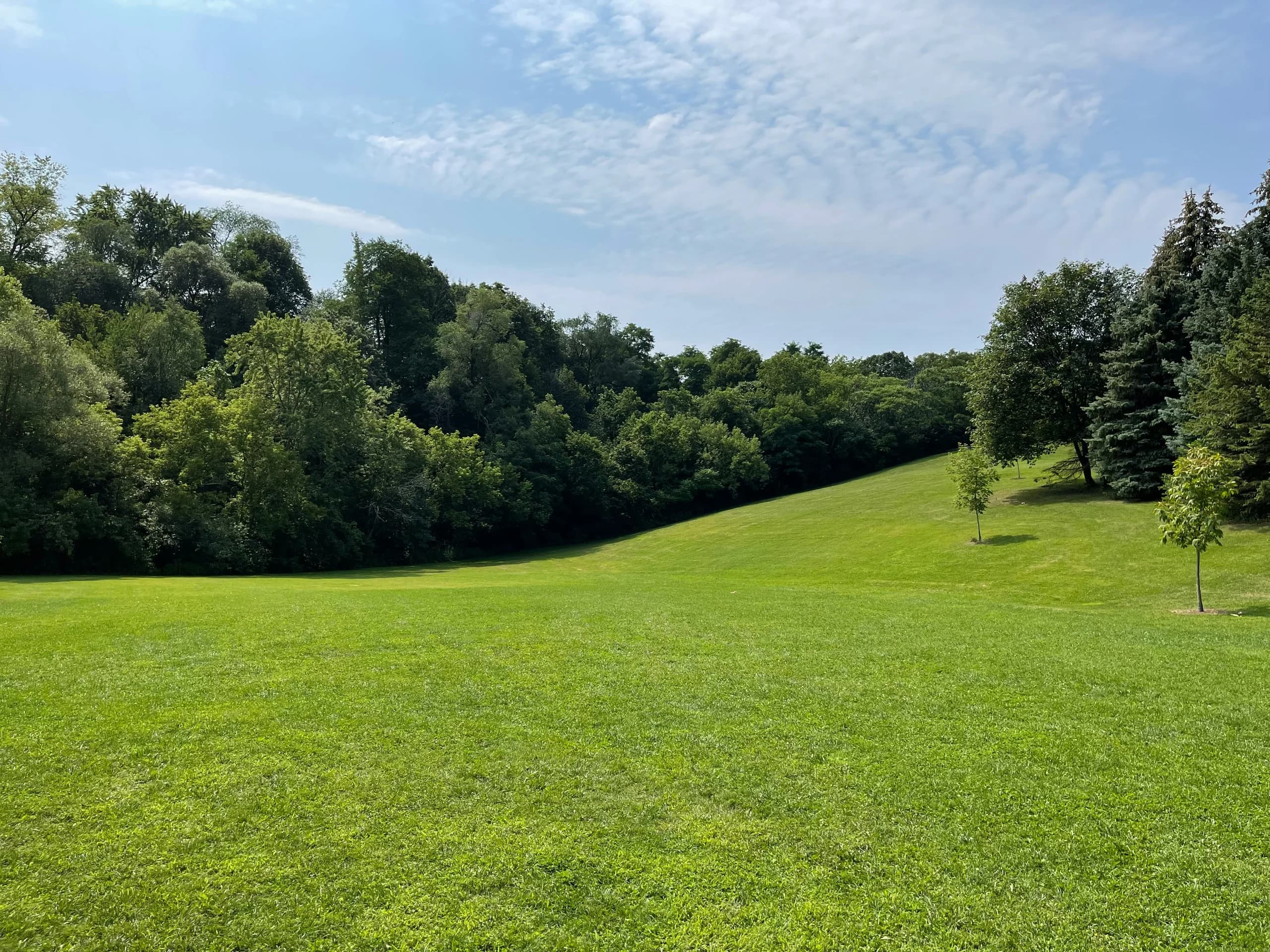
A closer look at your property
First identify the water provider. Then look at the zones.
Olathe has more than one water provider. The City of Olathe supplies some properties, while WaterOne serves others. The city's water page links to a Johnson County location tool for checking the provider at an address. Confirm the provider from your account or the city's guidance before directing a supply or billing question.
Then look at the irrigation system on the property. Knowing the provider doesn't explain how an individual controller is programmed, where its zones run or whether a head is damaged. Identify the system, the person operating it and the areas it serves. Keep provider questions and on-site irrigation observations distinct.
| What you notice | Information to share | Service conversation |
|---|---|---|
| A dry-looking area | Its location, when it changes and whether other areas look different | Review watering coverage and lawn-care history |
| A wet area | When it appears, recent rain or watering and nearby components | Discuss an irrigation review without assuming a leak |
| Spray on pavement | The head or zone involved and the affected surface | Review the direction and reach of watering |
| One zone behaves differently | Zone number, controller settings and the time observed | Compare system information before choosing a repair |
| Startup or shutdown is approaching | System details, access contact and requested timing | Discuss a seasonal irrigation visit |
The city's water guidance encourages matching controller settings to landscape and weather. K-State's established-lawn watering guide also considers soil moisture and lawn condition. Those are reasons to share actual observations, not to assign every Olathe lawn a fixed runtime.
Olathe, KS · Grounds care
Residential Grounds
Connect what the lawn receives with how it's maintained
For mowing, show the front, rear and side turf areas, along with gates and obstacles. Describe the edging, trimming and hard-surface cleanup you expect. If watering leaves part of the yard wet around the usual mowing time, include that observation so the requested work can be discussed with access and lawn condition in mind.
Fertilization planning benefits from knowing what has already been applied and when. Share treatment records or soil-test results if available, and identify the lawn areas you're concerned about. A request for feeding and a request to inspect irrigation coverage can be related without assuming one explains every patch of uneven grass.
For irrigation service, include the provider if known, controller details, affected zones and a description of the issue. Say whether you're seeking installation, repair, startup or winterization. If you don't have an automatic system, explain how the lawn is watered instead; mowing and fertilization inquiries are still welcome. The care conversation should fit the property you have.
Bush and shrub trimming can restore the intended shape or clearance beside the house. Show any nearby irrigation components and tell us which plants matter to the result. Tree trimming should identify specific branch concerns and nearby structures. Leaf removal can cover agreed lawn and bed areas, with collection and hauling described before the seasonal work is quoted.
For your request, start with the main priority and include a few photos of the lawn and any visible system issue. Add who can provide controller access, recent watering changes and the areas needing plant care. You don't need to diagnose the problem to explain it well.
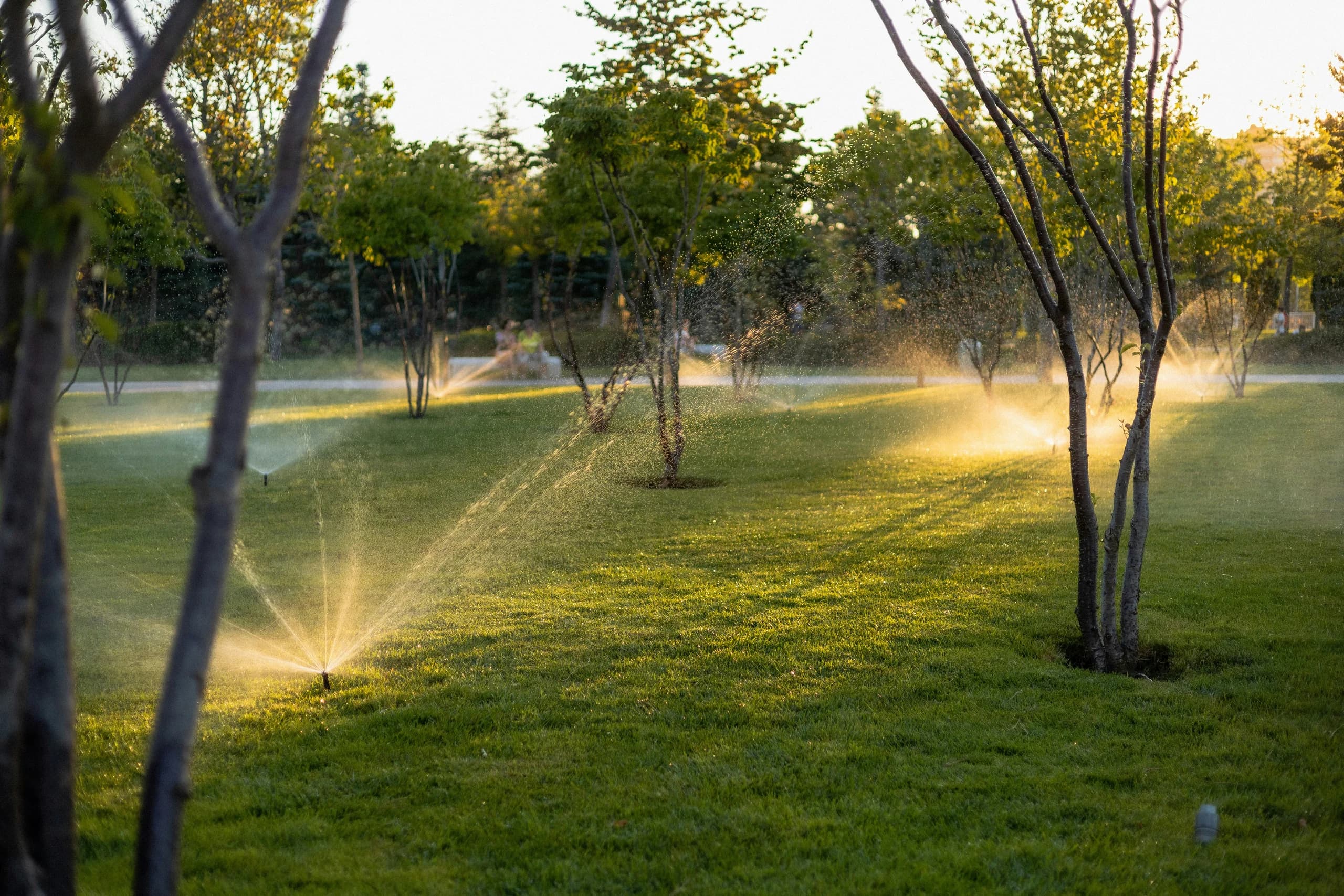
Olathe, KS · Grounds care
Commercial Grounds
Make the system contact part of the grounds plan
A business may have several irrigated lawn areas and different people responsible for the building, landscape and water account. For example, separate lawns beside parking and behind a building may use different zones even though one manager requests all grounds work. Identify those areas and responsibilities in the inquiry.
Mowing should specify each cut area, edging, trimming around site features and cleanup on nearby pavement. Fertilization requests should include the existing program and the appearance goal for the turf. Point out changed beds, replaced turf or altered use that could make older service descriptions inaccurate.
For irrigation, list the controller locations, system contact and zones with observed issues. Include the time and conditions when a problem appears. WaterOne's pressure guidance notes that elevation and periods of high demand can affect pressure for its customers; an uneven zone still needs its own on-site context before a cause is assumed.
Bush and shrub trimming can support entrance visibility and a consistent landscape finish. Tree trimming requests should locate the branches for review and the access around them. For leaf removal, identify collection surfaces and hauling needs, particularly where material gathers near doors or along the parking edge.
Snow and ice management is a separate plan for private parking and pedestrian access. Name the priority entrances, surfaces under your control and snow-placement constraints. Summer irrigation information helps describe the site, but it doesn't define winter response requirements.
Include the people who hold the information
- A manager who can approve the requested grounds work.
- The person who can open controller enclosures and explain zone records.
- A site contact who can identify access, customer traffic and seasonal priorities.
Olathe, KS · Grounds care
Government & Municipal
Keep facility and system records connected
For an Olathe public-property inquiry, tie each requested service to a facility address and an identifiable area. If several facilities are involved, separate their records so different controllers, water providers or access arrangements don't become one ambiguous request.
For lawn mowing, map the maintained turf, required edging and trimming, and hard-surface cleanup. Fertilization requests should identify the turf receiving care and include available treatment history. That connects recurring upkeep with the condition and purpose of each managed area.
Irrigation requests should list the system or controller ID, water provider where known, seasonal needs and observed faults. Supply the contact responsible for access and existing system records. If backflow testing or another separately qualified task is part of an agency requirement, identify that requirement and its responsible provider; don't assume it is included in an ordinary irrigation visit.
Bush and shrub trimming should identify plant locations and intended clearance or form. Tree trimming needs the trees for review, nearby public use and the authority approving the work. Mark new or changed planting where it affects the system or the maintenance boundary.
For snow and ice management, provide facility parking and pedestrian routes, priority doors and placement constraints. Include current specifications and the proposal contact. A clear facility record helps Metro Wide review the requested grounds services without confusing a water-utility responsibility with property maintenance.
A little seasonal brightness
Holiday lighting
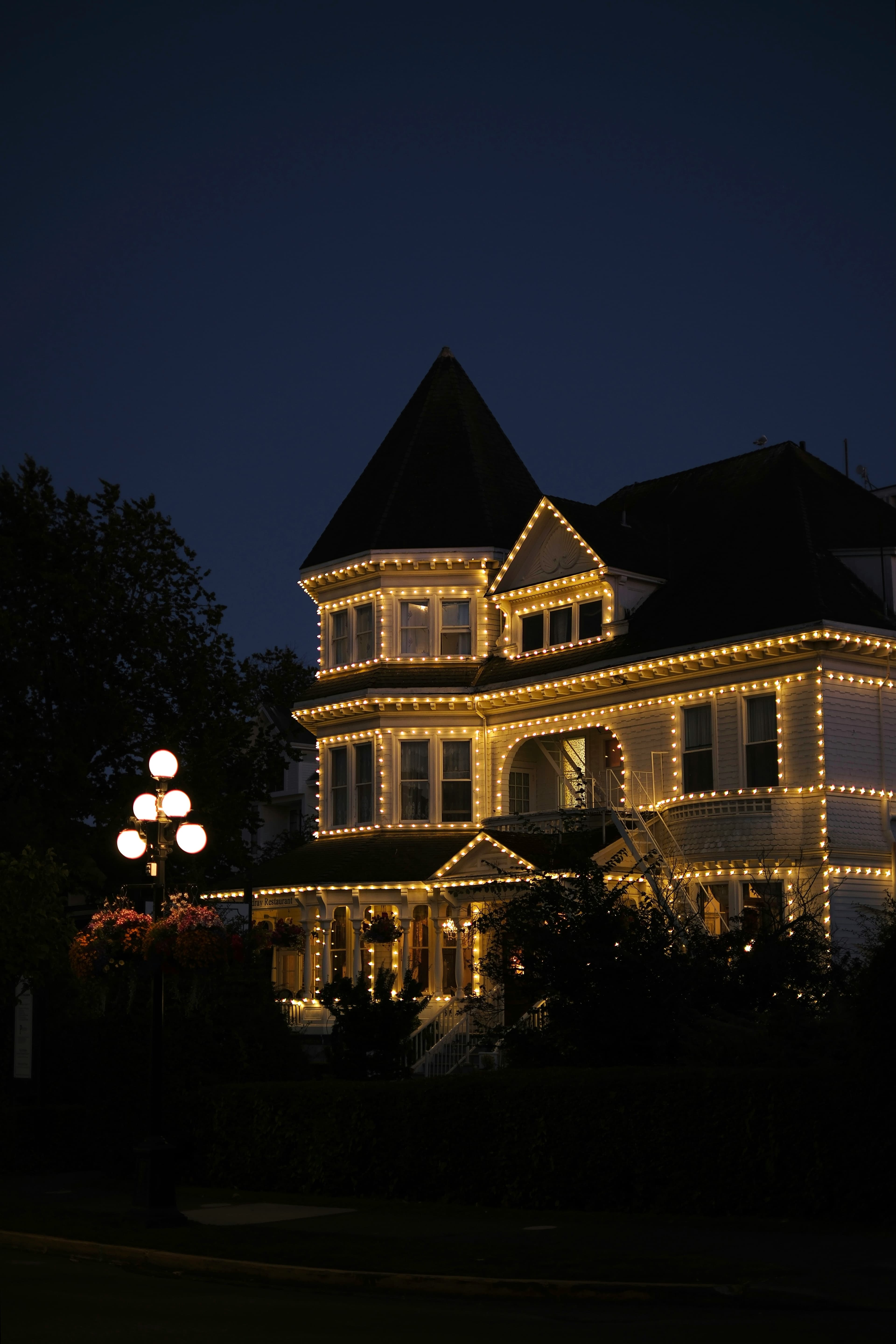
Holiday lighting brings another seasonal decision: the display you want at the home or business. Share the building view, style, colors and timing you have in mind. Include access arrangements, then discuss the display through the holiday lighting page. An irrigation winterization inquiry and a lighting inquiry can be described together, with each service's arrangements reviewed separately.
Plan the next step.
Before you get in touch
Olathe questions
Does the City of Olathe provide water to every Olathe property?
No. The City of Olathe and WaterOne both serve properties in Olathe. Check your account information or the provider lookup linked from the city's water page. Include the known provider in an irrigation inquiry, while describing controller and zone issues as on-site system information.
What should I send when one irrigation zone behaves differently?
Include the zone number if known, controller settings, the time you observed the issue and photos of the affected area. Describe whether the issue is spray direction, an area staying wet, weak coverage or something else you can see. Note recent system or landscape changes without guessing which component needs replacement.
Can I request mowing and fertilization without automatic irrigation?
Yes. Tell us how the lawn is currently watered and share the areas and care history you want reviewed. An automatic system is not required to begin a mowing or fertilization inquiry. The requested service should reflect the lawn's actual condition and the maintenance you're seeking.
How should a manager describe several sites with different systems?
Create one short record per address with its maintained areas, provider if known, controller or system IDs, access contact and requested services. Identify which decisions can be approved centrally and which require a facility contact. This keeps an observation at one site from being mistaken for a condition at every site.
Olathe, KS
Start with the lawn, the system and your priority
Tell us where the Olathe property is and what you'd like help with first. Include the provider and system details you know, plus the observations and access information that will help Metro Wide discuss the next step.
Which type of property needs service?
Requesting service in Olathe, KS? Choose your property type and we’ll take you to the right form.