
Shawnee, Kansas
Lawn care and grounds services in Shawnee, KS
Keep the lawn tidy and the landscape's different spaces working together. Metro Wide Lawn Care serves Shawnee homes, businesses and public grounds with mowing, irrigation, plant care and seasonal services. Tell us which areas need regular upkeep, which planting should keep its character and where people need a clear route through the property.
A closer look at your property
A tidy landscape still needs the right boundaries
A patch of taller planting may be intentional. A shallow planted area may have a different purpose from the lawn beside it. Identifying those features before arranging service helps preserve what you want while defining the work you need.
Shawnee's Contain the Rain program includes landscape practices such as rain gardens, native planting swales and buffers. Its stormwater information also distinguishes drainage and treatment facilities from ordinary yard care. If your property includes such a feature, identify it during the quote discussion; don't assume it should receive the lawn's routine.
| Part of the landscape | Its intended role | Question to answer before service |
|---|---|---|
| Lawn | Maintained turf for appearance or use | Where do mowing, edging and trimming end? |
| Formal planting | A defined bed, hedge or entrance border | Which plants need shaping, clearance or seasonal attention? |
| Native planting or rain garden | Intentional planting with its own care needs | What should remain, and are separate maintenance instructions available? |
| Drainage feature | A route or facility associated with water movement | Who is responsible, and does the request require specialist review? |
| Path or entrance | A route people need to use | What growth, spray or seasonal material affects access? |
Shawnee, KS · Grounds care
Residential Grounds
Keep the lawn's routine inside the lawn
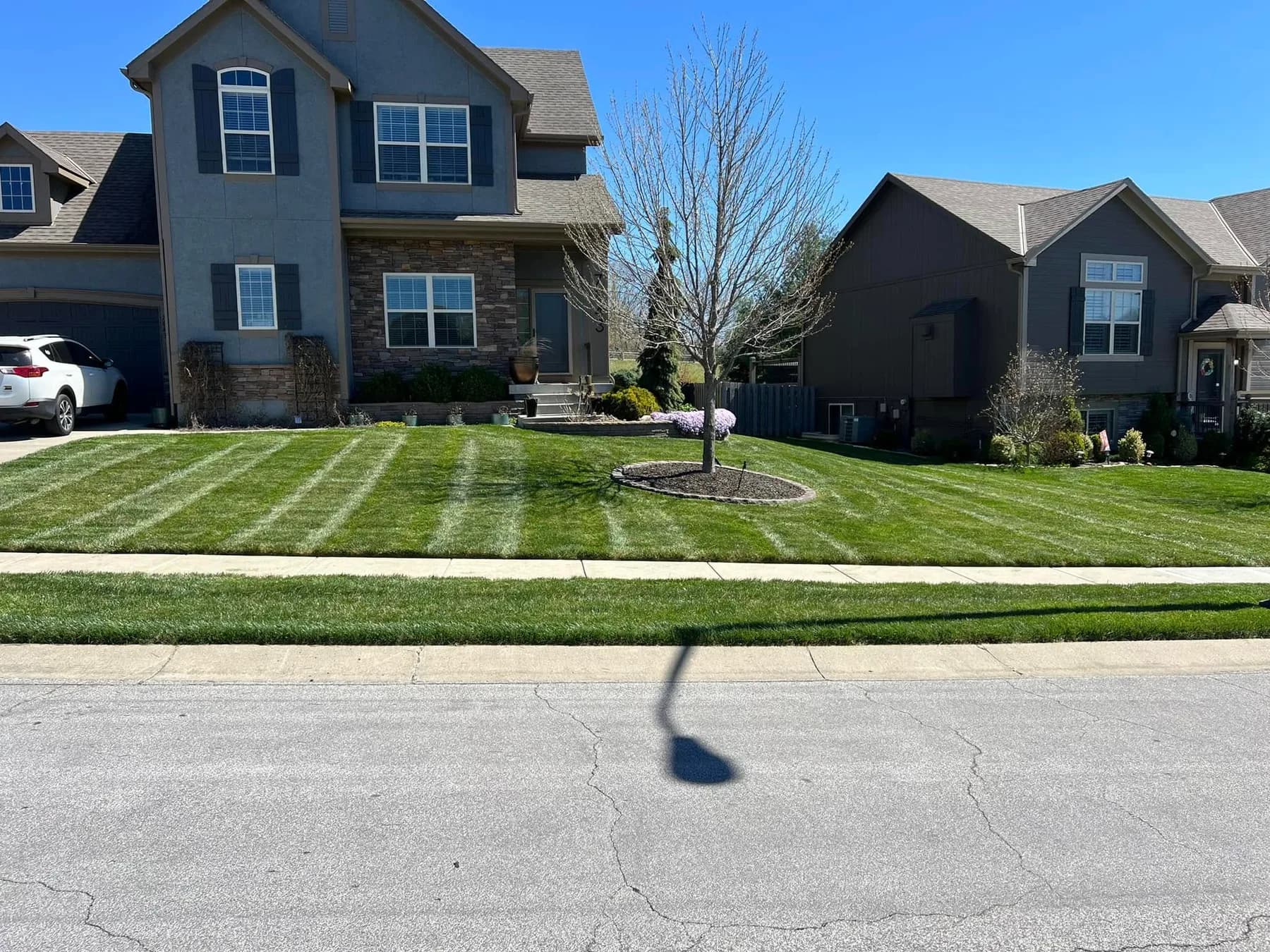
Imagine a home's cut lawn ending beside an intentionally planted drainage area. The homeowner may want crisp turf edges while preserving the planting beyond them. A photograph or marked sketch can make that distinction clear without asking a mowing crew to interpret every plant's purpose.
For lawn mowing, identify the regular cut area, edging beside hard surfaces, trimming around obstacles and the cleanup needed on the walk or driveway. Fertilization should be discussed for the actual lawn area, with recent care history or soil-test information where available. Mark adjoining beds and features so they aren't casually included in a turf request.
Irrigation care should account for the areas a system serves. Show the controller, the watered lawn and any spray reaching pavement or planting beyond the intended zone. Mention recent changes to the beds or a recurring wet or dry area. The useful starting point is what you've observed, followed by a discussion of repair, installation or seasonal system work.
Bush and shrub trimming can define a formal border or restore space beside a path. Identify the plants and the result you want, including any flowering display you want considered. Tree trimming calls for a separate look at the branch concern and its surroundings. For leaf removal, mark collection areas and explain whether leaves within intentional natural planting should remain; specify hauling if you want collected material removed.
For a quote, send the address, access route and a short description of what each landscape area is meant to do. Include any existing planting or maintenance plan. It helps Metro Wide discuss routine grounds services while keeping a feature's specialized care needs visible.
Shawnee, KS · Grounds care
Commercial Grounds
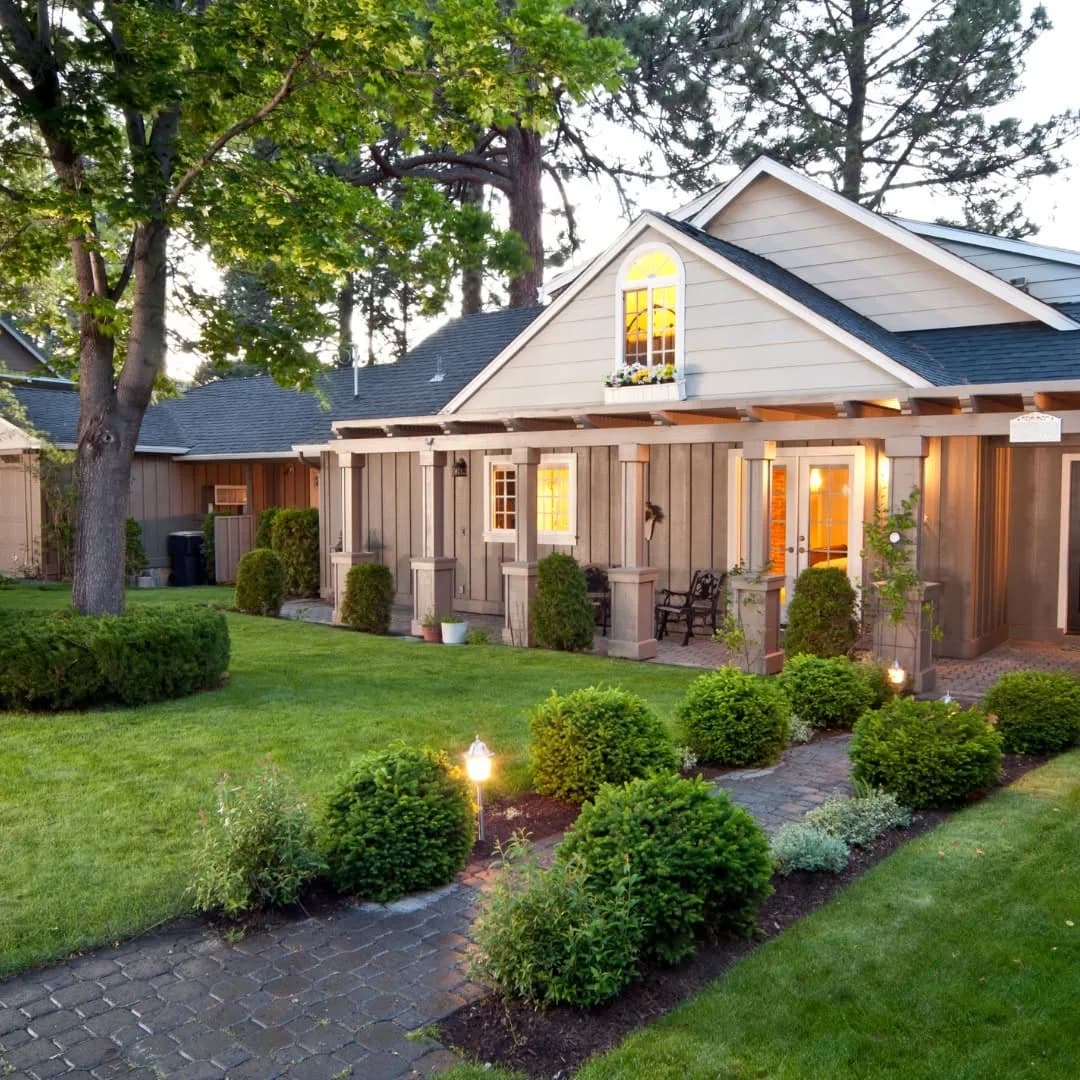
A welcoming entrance with a clear path through
Shawnee's downtown resources include work concerning the downtown environment and Nieman Road. A customer-facing property in that setting is one example of where planting, frontage and pedestrian access meet. Other business sites may have broader lawns or private landscape features; the request should describe the individual property.
For mowing, map each turf area and the edging, trimming and hard-surface cleanup needed around it. Fertilization can be planned against the desired appearance and existing turf-care records. Irrigation information should identify the controller contact and where watering interacts with entrances, sidewalks or planting that has a separate purpose.
Bush and shrub trimming can help keep doorways and signs visible while retaining the desired plant form. Tree trimming requests should show branch locations, structures and the space available to review the work. Leaf removal should cover the areas where material collects and the intended hauling arrangement, with planted stormwater features marked separately from general collection zones.
Snow and ice management needs a winter drawing of private parking and pedestrian access. Include the doors people use, priority routes and proposed placement areas to discuss. Identify planting and drainage features that affect those choices. These details help explain the winter request without presuming the summer maintenance footprint carries over unchanged.
Keep the pedestrian route in the brief
Show where irrigation spray reaches a walk, where shrubs narrow passage and where leaves gather at entrances. Pair those observations with operating hours and the approval contact. One clear route through the site can connect several service decisions without making every task part of the same visit.
Shawnee, KS · Grounds care
Government & Municipal
Name the asset. Define the ordinary grounds work.
A public facility may include turf, ornamental planting and drainage infrastructure on the same plan. A useful inquiry identifies them separately, so ordinary maintenance can be discussed against the correct boundaries and any existing asset instructions.
For lawn mowing, show maintained turf, required edging and trimming, and hard-surface cleanup at public approaches. Fertilization requests should name the managed lawn areas and supply available records. Irrigation requests should identify systems, access arrangements and the person responsible for operation or known faults.
Bush and shrub trimming needs plant locations and the required form or public-access clearance. Tree trimming inquiries should include the trees for review, surrounding use and the authority responsible for approving work. Photographs and maps make these requests easier to assess than a single line asking for all vegetation to be maintained.
For snow and ice management, list facility entrances, pedestrian routes and parking areas with their priorities. Note features that constrain placement and the boundary between the facility's responsibility and other public assets. Provide the current specifications and procurement contact for review.
If the property has an engineered stormwater facility, include its separate maintenance or inspection requirements and responsible contact. Routine lawn and plant care near that feature does not establish the scope or qualifications for inspecting, repairing or redesigning it. The proposal should make the requested grounds work and its limits easy to identify.
A little seasonal brightness
Holiday lighting
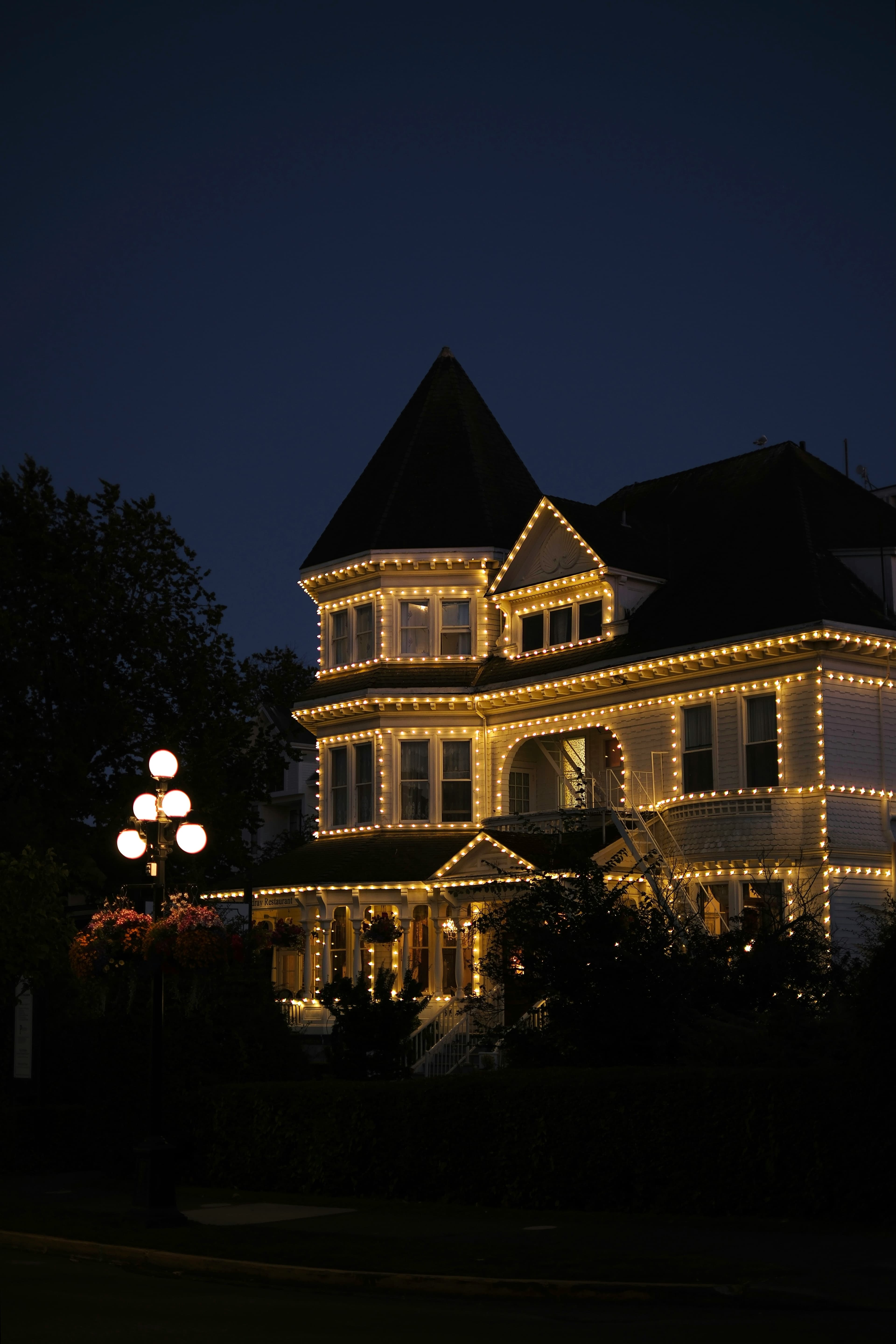
Let the display draw attention to the entrance while leaving the landscape and walking route in view. For a home or business, share the building photo, desired colors and style, nearby planting and access arrangements. Holiday lighting is a separate seasonal conversation, with the location and display reviewed together.
Plan the next step.
Before you get in touch
Shawnee questions
How do I identify a rain garden or natural planting that should be left out of mowing?
Mark its outline on a photo or plan and describe its intended purpose. Include existing maintenance instructions if you have them. A visible edge and clear directions help distinguish the lawn from planting you want preserved, including any areas that should be excluded from leaf collection.
Is caring for grass near a drainage feature the same as inspecting or repairing the feature?
No. Lawn maintenance concerns the agreed turf and finish. An engineered feature may have its own responsible party, instructions and specialist requirements. Identify the feature before the quote so the ordinary grounds work can be considered separately from an inspection or repair request.
What should a business share about its frontage and walking routes?
Show the route from parking to the entrance, the planted borders beside it and any shared property boundaries. Explain where growth, spray or leaves interfere with the finish you want. For winter work, add the private surfaces to be reviewed and the access priorities for staff and customers.
How should an agency separate grounds care from stormwater-asset work?
Supply a plan labeling turf, ornamental planting and stormwater assets, plus the responsible contact for each. Attach the relevant maintenance instructions and current specifications. Ask for the listed grounds services within a defined boundary, and keep specialist inspection or infrastructure work identified as a separate requirement.
Shawnee, KS
Give every part of the grounds a clear role
Tell us about your Shawnee property and the lawn, plants or seasonal work you want help with. Include intended natural areas, access routes and any existing maintenance plan so the quote begins with a useful picture of the site.
Which type of property needs service?
Requesting service in Shawnee, KS? Choose your property type and we’ll take you to the right form.